Why is Bonaire Known for Nature?
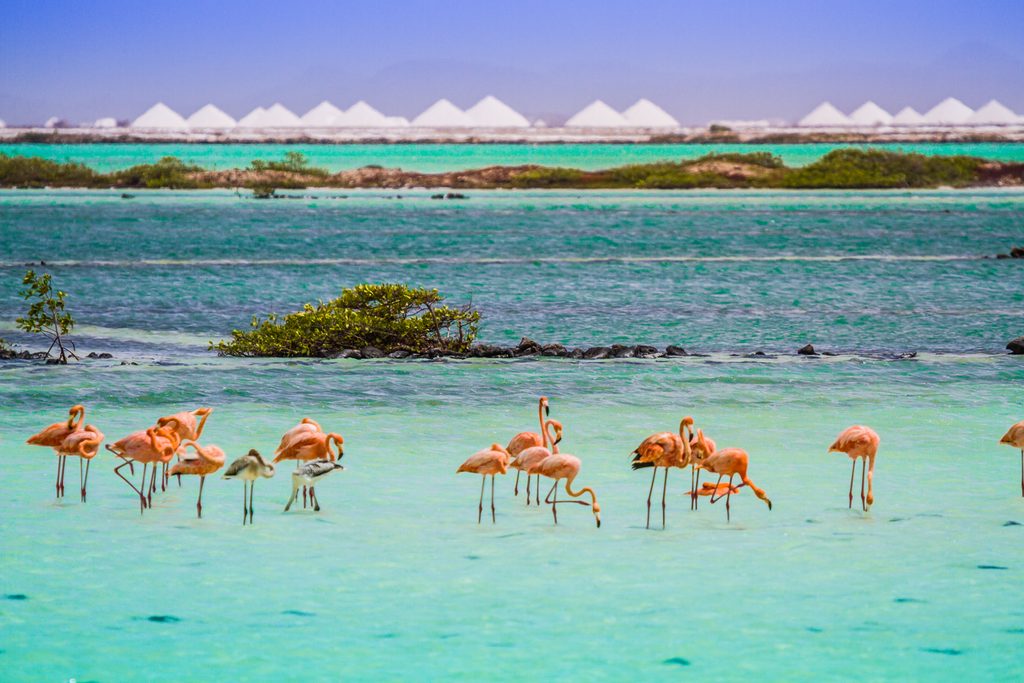
Bonaire brings the beauty of nature to life. As a part of the Dutch Caribbean “ABC” Islands in the Southern Caribbean, Bonaire is a leader in preserving nature. Bonaire was the first Caribbean island to protect its waters by founding the Stichting Nationale Parken Bonaire (STINAPA) in 1962! It is a leader in both solar and wind energy, and their Reef Renewal Foundation helps create new reef corals for the years ahead. Join me as we explore more about this beautiful island. Join me, in Bonaire!

As a luxury travel advisor who has completed extensive research provided by the Tourism Corporation Bonaire, you can be sure that the knowledge here and shared is after real training and education. My understanding of the island of Bonaire and surrounding area ensures you have peace of mind of working with a true professional. Feel free to see this and all certifications on the CARTE ATLAS Accolades page.
Where is Bonaire and How Can I Get There?
Located in the Southern Caribbean right on the edge of the hurricane zone, you will find many ways to reach Bonaire. Flying in will bring you through the Bonaire International Airport / Flamingo Airport (BON). Select airlines fly from major hubs like Houston, Atlanta, Miami and NYC. You can also reach the island from an inter-island flight from Curaçao or Aruba. The cruise terminal is also a common launching point into the island. The north and south pier are a ten minute walk from downtown Kralendijk. A private transfer or tour is our luxury recommendation here at CARTE ATLAS to really get your port day started.
Is Bonaire Safe to Visit?
CARTE ATLAS advises all travelers to become aware of the International Travel Advisory Map from the U.S. Department of State. This map lists out the levels of travel. As of the publication of this blog post, the island of Bonaire carries a Level 1 “exercise normal precaution” advisory from the U.S. State Department. Once you are educated on the level, you can decide if you wish to visit where a million overnight voyagers do each and every year.
Is There an Entry Tax?
Yes, Bonaire does have an Entry Tax. Visitors to Bonaire are required to pay a tourist entry tax of $75 per person, per visit.
What is the Currency of Bonaire?
Bonaire utilizes the United States Dollar as its currency on the island.
Will there be drinking water?
Bonaire has safe drinking water that does come from the tap due to their extensive desalination programs. If you are still anxious, just use bottled waters found with your cruise, hotel, or at a local market.
Are there Sunscreen Laws?
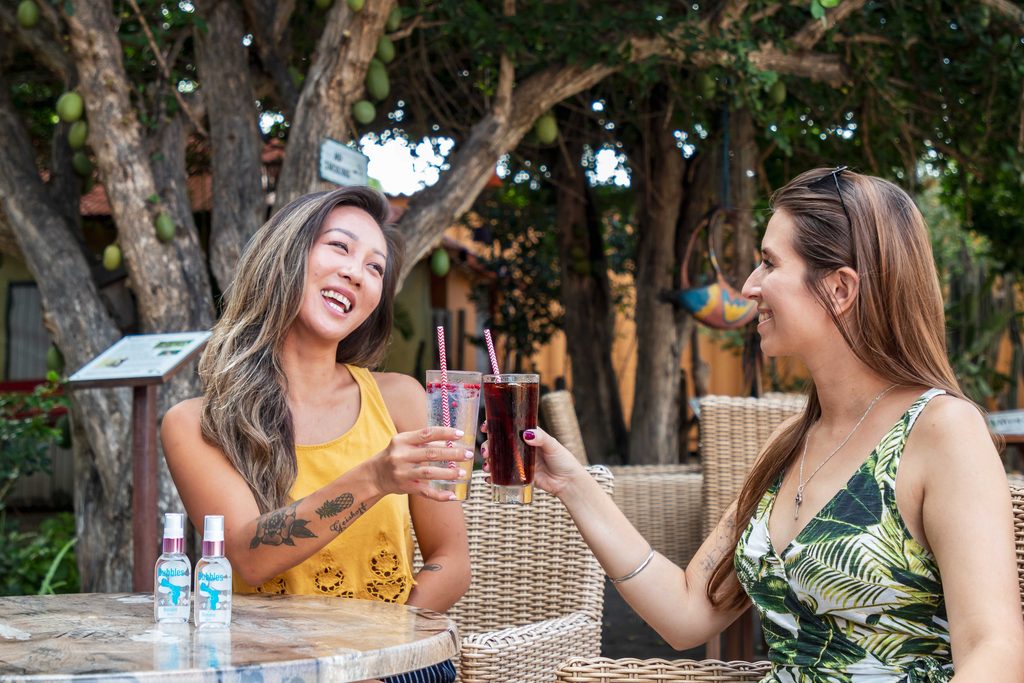
Yes! Bonaire prohibits any sunscreens containing oxybenzone or octinoxate. This is to protect its coral reefs. You must look for “reef safe” or mineral formulas.
Why is Bonaire Known for Protecting Nature?
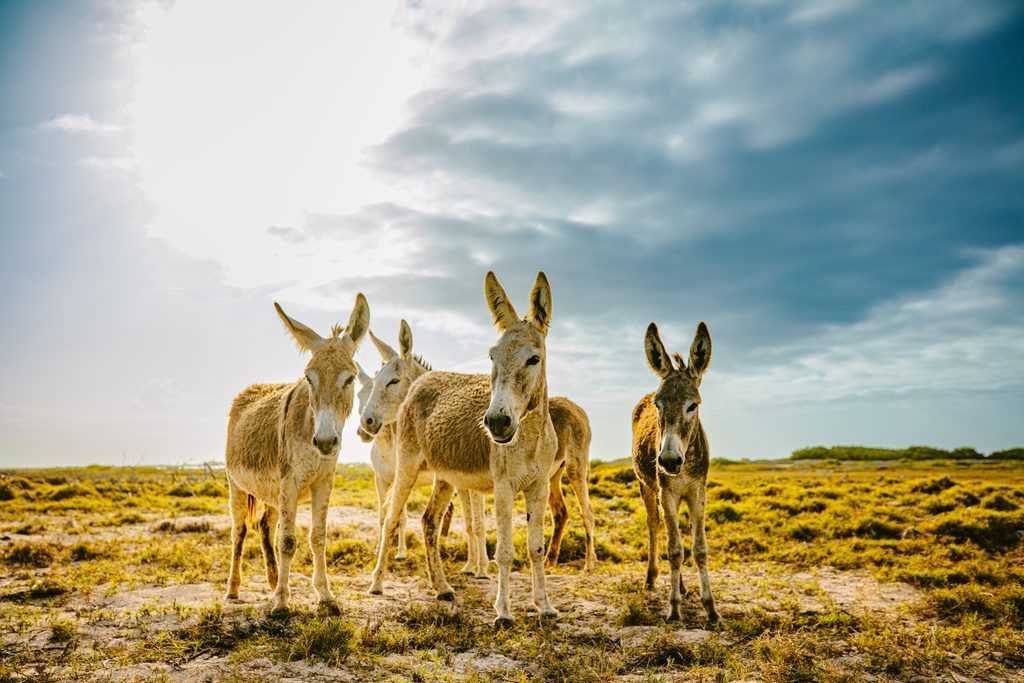
Bonaire continues to focus on ensuring the island remains “untouched” with multiple efforts being made. Bonaire has made an impact on its natural environment by focusing on species survival. The Rasmar Convention has protection over key wetland areas that are home to many endangered species. A Donkey Sanctuary is a wonderful place to enjoy these creatures who call Bonaire home. The island even has a program called Earthonauts Program that focuses on travel with sustainability at its heart.
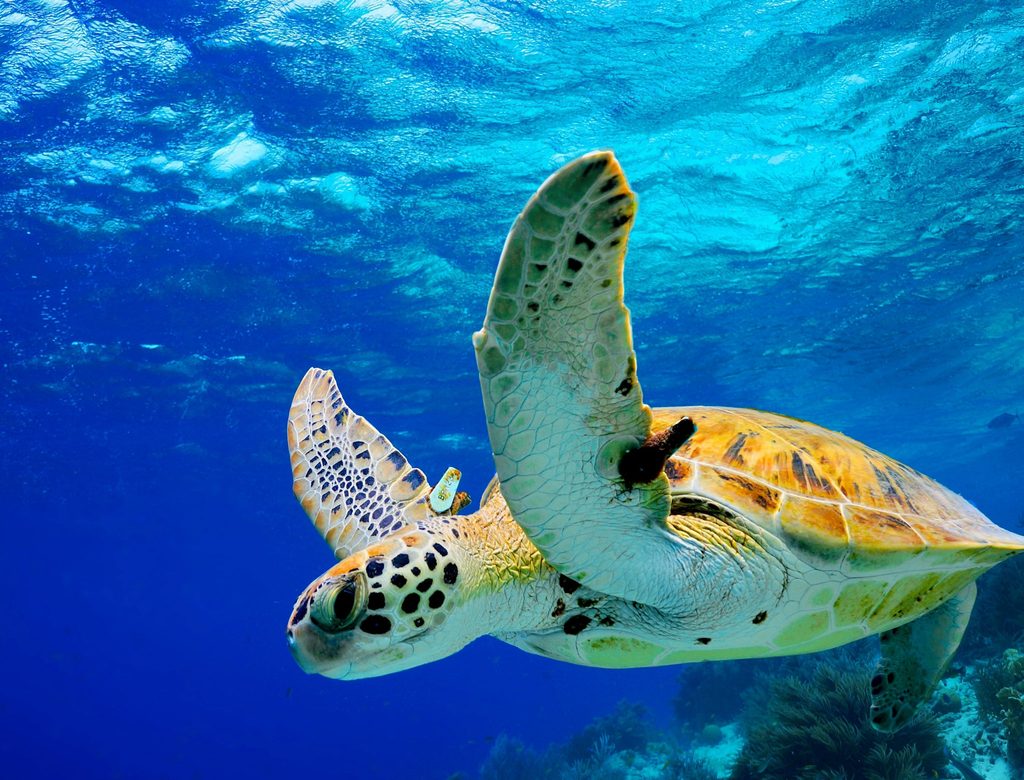
You will see the Echo Bonaire working hard to restore forests home to the Yellow-Shouldered Amazon Parrots. When you visit, you may meet a volunteer of Mangrove Maniacs, who work to protect the mangroves on the island. The Wild Bird Rehab helps injured birds reconnect with their home once fully healed. Protection even goes underwater with the Reef Renewal Foundation which works to restore reefs. And sea turtles find hope through the Sea Turtle Conservation Bonaire program.
STINAPA Bonaire
We could not talk about the natural beauty of Bonaire without mentioning Stichting Nationale Parken Bonaire (STINAPA Bonaire). Organized in 1962, this monumental effort created a non-profit organization that is in charge of education and preservation of the natural wonders of Bonaire. Its charter includes two marvelous places, the Bonaire National Marine Park (BNMP) and the Washington Slagbaai National Park (WSNP). Visits to both must see a Nature Fee Paid which can be around $40 or more. The Nature Fee is also for all water activities to help Bonaire keep the island pristine.
Bonaire National Marine Park
Founded in 1979 as the world’s first underwater national park, the Bonaire National Marine Park is a world treasure. Covering 6,700 acres, it protects the seas around Bonaire and the wetlands that create its shores. With 86 dive sites, plenty of beaches for snorkeling, and wonderful wildlife, it is not to be missed for the Naturalist at heart.
Washington Slagbaai National Park
As the first nature sanctuary in the Netherlands Antilles, the Washington Slagbaai National Park was founded in 1969. Previously the site of two large plantations, it is now an untouched natural preserve for many endangered species. With a visitor center, hiking trails and even a museum, you will find plenty to explore here.
What Activities are in Bonaire?
Nature activities abound on this island. Bonaire loves to say “It’s In Our Nature” and it could not be more true. With national parks both on land and at sea, the nature is all around you here. And let’s not forget about the iconic city of Kralendijk. It is time to explore Bonaire.
Blue Waters Await
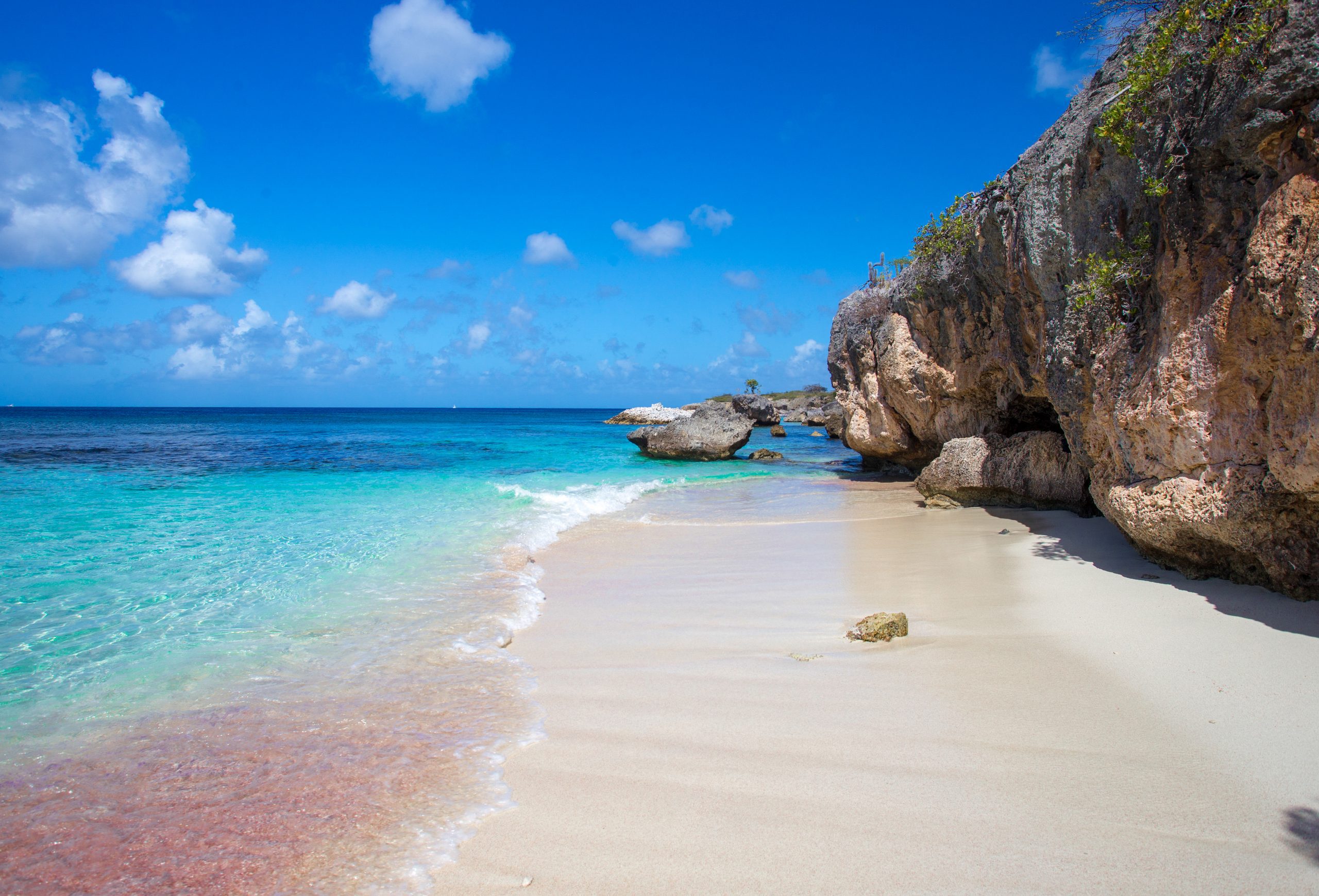
Plenty of aquatic activities await you, including diving. There are over eighty dive sites around Bonaire. You can reach over 50 of them easily from shore. Did we mention over 300 species of fish and over 50 species of coral? With its tropical climate, diving can happen nearly every day of the year! Freediving is also popular here, and can be accommodated with a dive center. There are over 20 beaches to relax at and enjoy these beautiful Caribbean waters. The beaches have a variety of different styles, from white sand to shell based, and even dark and course. Remember your reef safe sunscreen and always throw your trash away. And never, ever, take anything from the beach like shells. Those are homes for wonderful creatures.
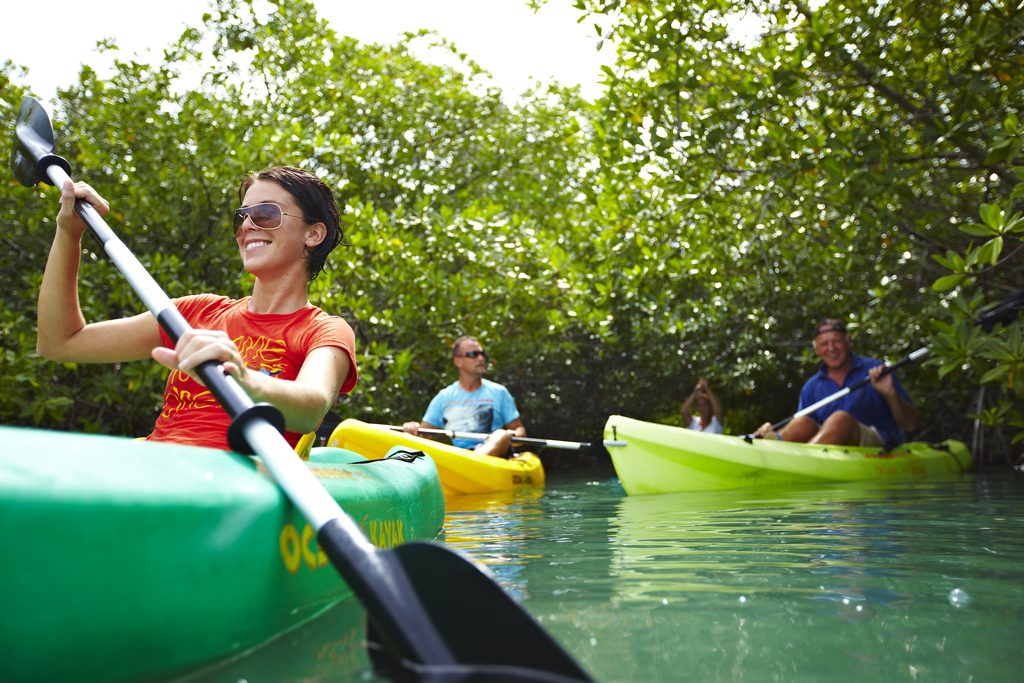
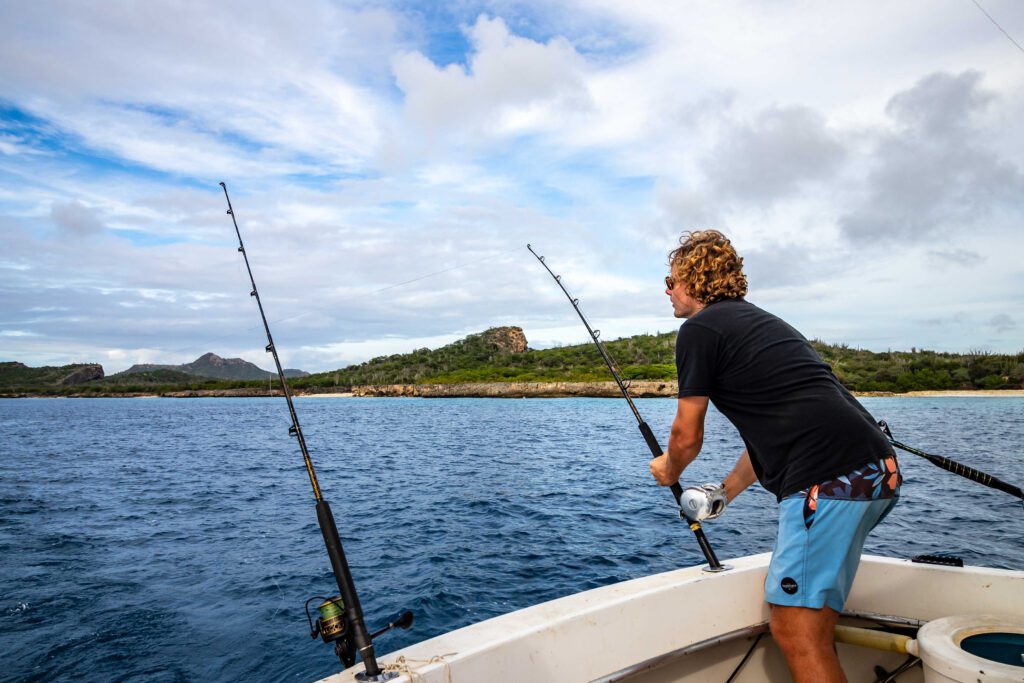
You can also go out on the water in a wide range of options. Boating and Sailboating are lovely opportunities to experience the island sea life. Fishing charters are an option for avid fishermen in your group. Windsurfing is also quite popular and you can enjoy it yourself, or perhaps watch from the beaches. Kayaking through the mangroves provides a peaceful and naturistic way to enjoy Bonaire. No matter your style, the nature on the blue waters awaits you.
Natural Wonders On Land
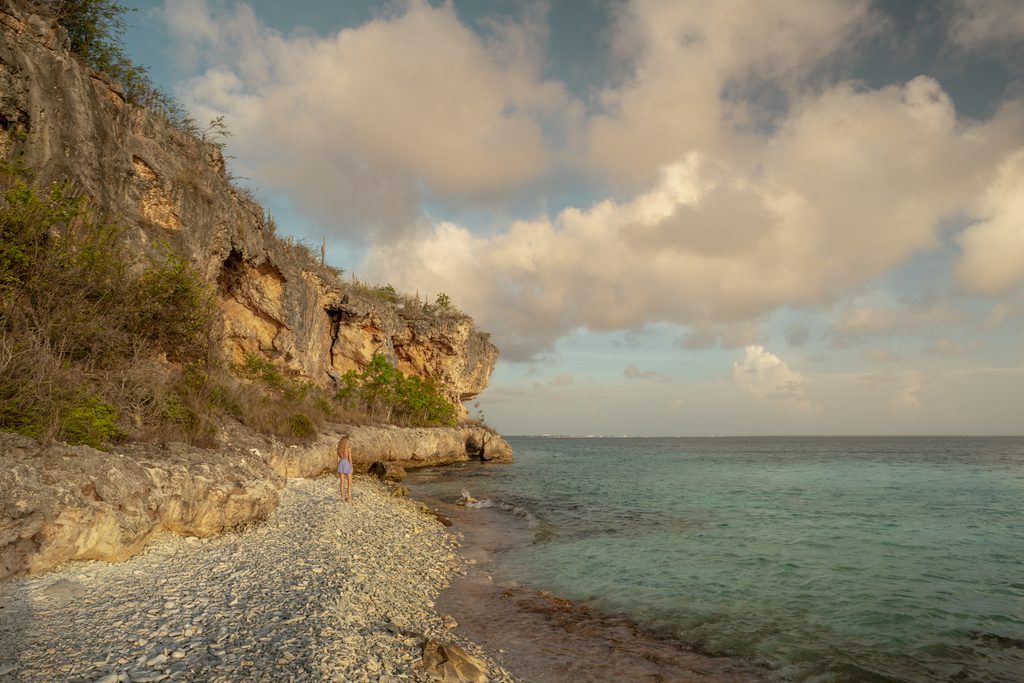
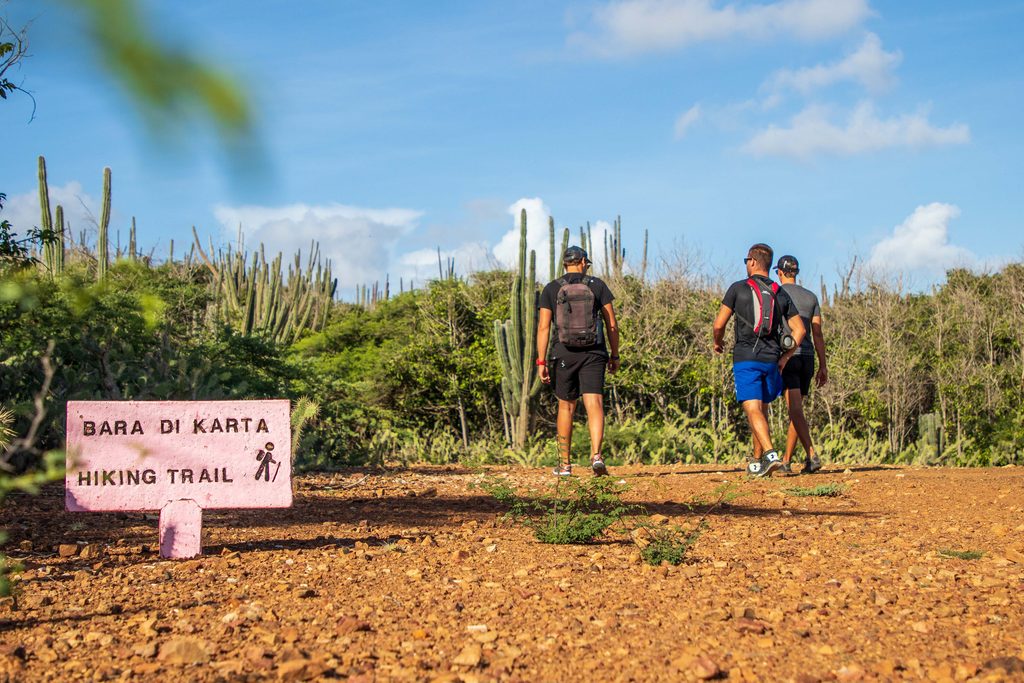
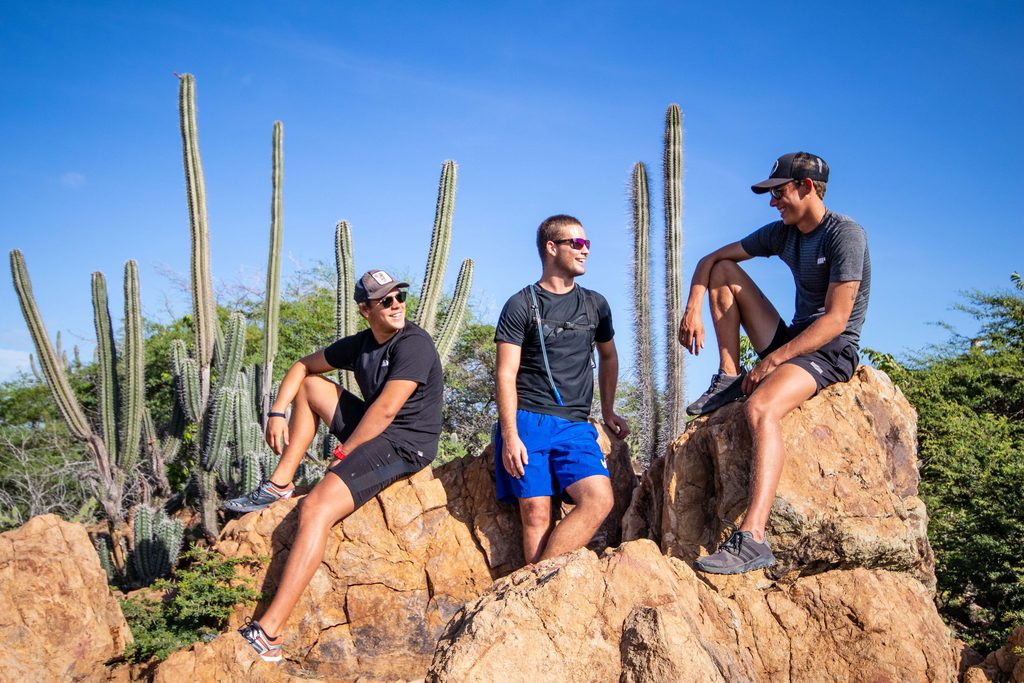
For those who enjoy exploring on land, there is plentiful to do. With over 180 miles of bike trails, you can explore the national park, the salt flats, or even take a joy ride through Kralendijk. Hiking is also an opportunity at the national park, with a wide range of hiking levels for the whole family to choose from. And do not forget about the caves, as Bonaire has over 400 to explore. A guided tour is the best way to enjoy the beauty of these natural caverns.
The Coral Reef City of Kralendijk
Before we go further, let’s learn how to pronounce this. Kral (Said KRAH, rhymes with Spa) – en (softly spoken) – dijk (Said DIKE, rhymes with Bike). “Krah – en – dike”… perfect! Now let’s explore.
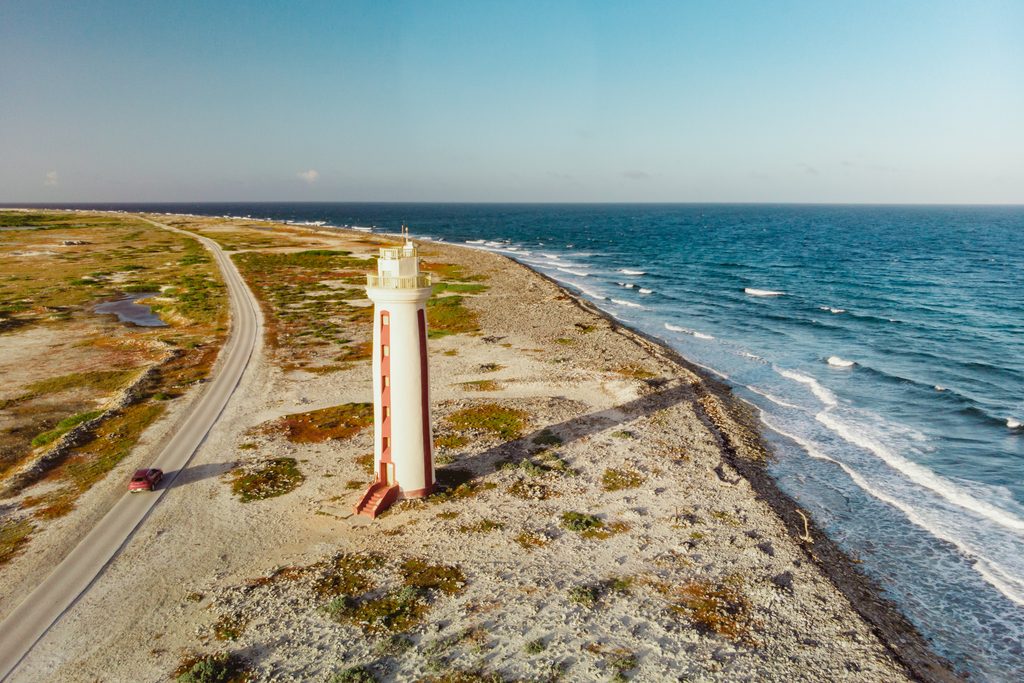
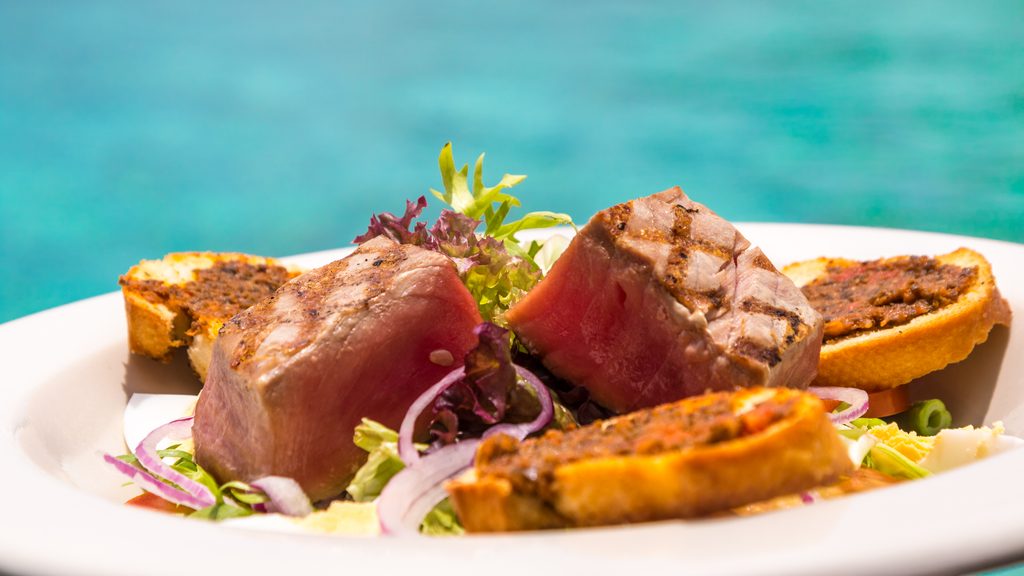
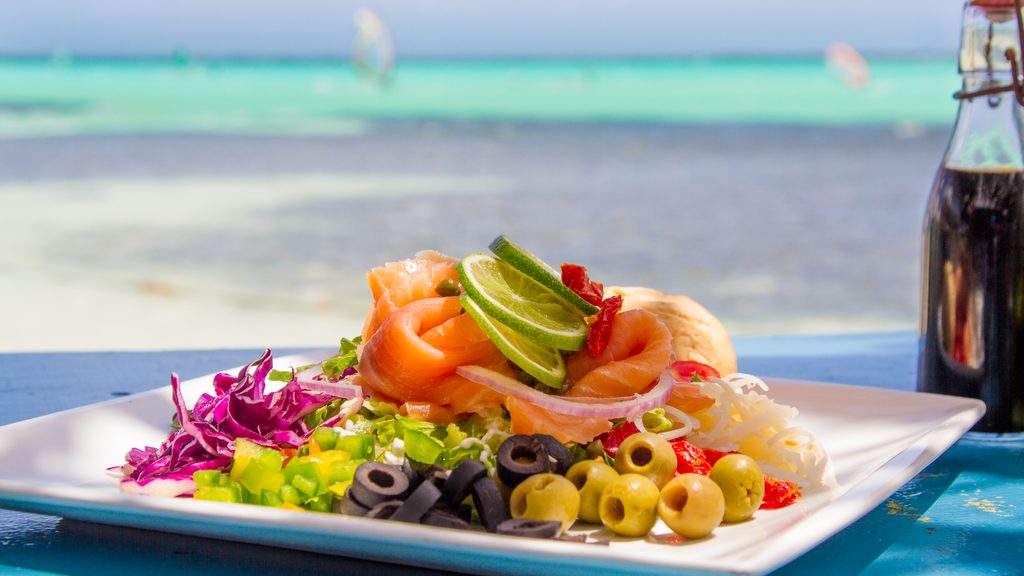
In Dutch, it means coral dike or coral reef, but you may here it called “Playa” by the locals. Bonaire’s capital is filled with color, and plenty of boulevards. Playa Pariba and Playa Pabou can be your launching points. Along the Playa’s you will find plenty of Dutch, Caribbean, Asian, and International cuisines to sample and enjoy. Keep an eye out for a “Taste of Bonaire” pop-up events! After all, the World Food Travel Association has named Bonaire a Culinary Capital! For shopping, look for Kaya Grandi which has plenty of local places to shop. And for a relaxing atmosphere, the Wilhelmina Park offers tropical tress and harbor views.
Events Year Round Await
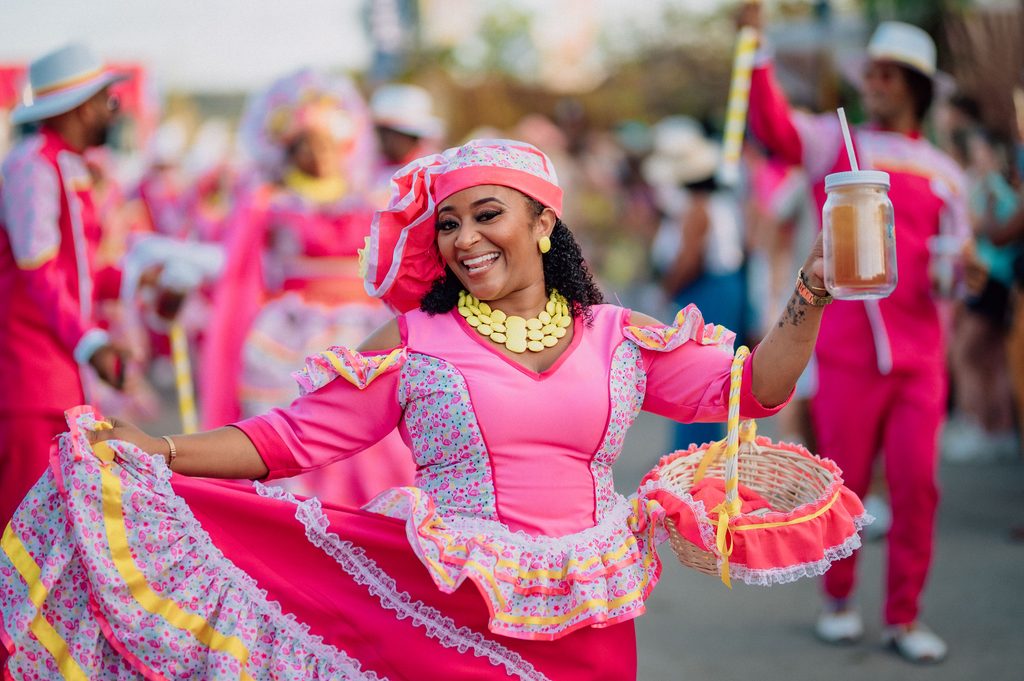
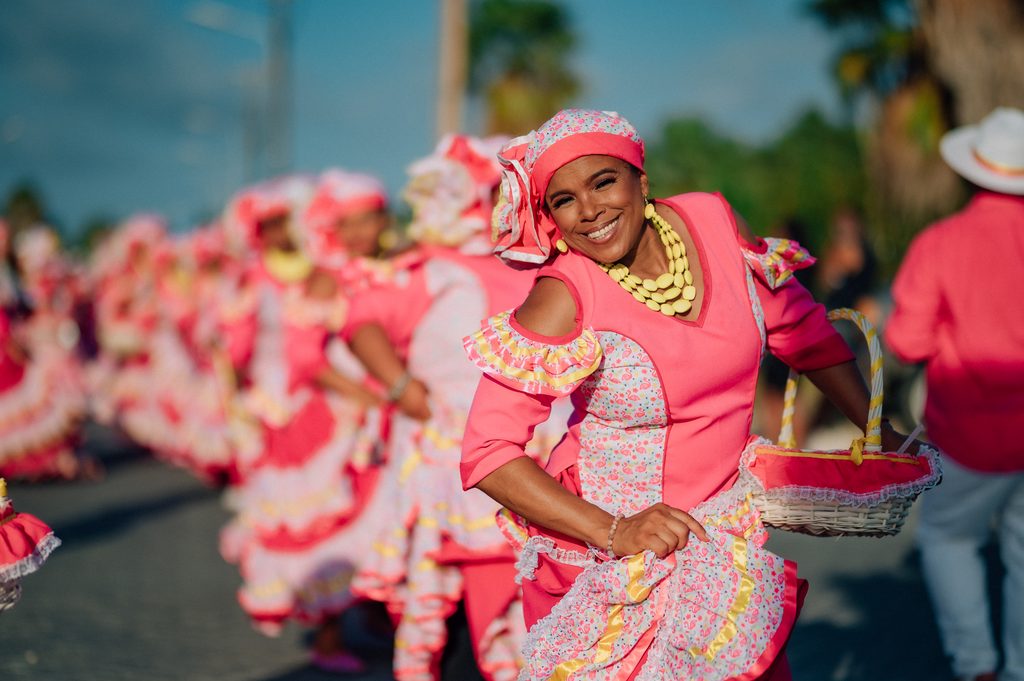
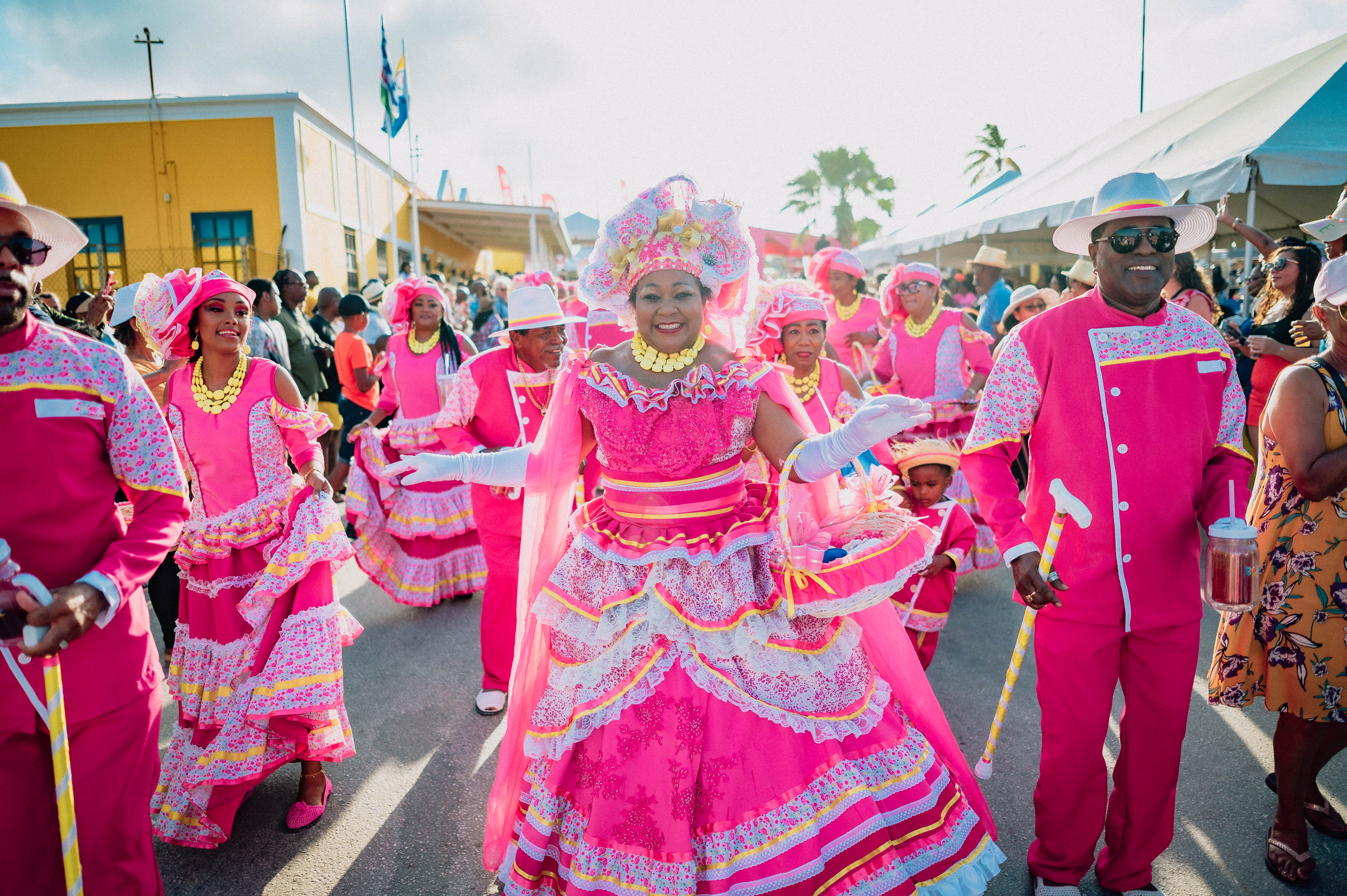
Keep an eye out for events during your stay. Maskarada is the New Year’s celebration and Carnival is around the same time, from January to March. Dia Di Rincon on April 30th is the largest cultural celebration on the island. Taste of Bonaire happens from June through September and is the perfect time to try specialties like bolo pretu for Rum Raisin Cake or Shimaruku, a local cherry. Take a look at Dia Di Boneitu for island day on September 6th for festivals, music and food. And for our sailors, the Bonaire Regatta in October brings racing to the forefront.
Time to visit the nature of Bonaire
Explore More of the Southern Caribbean
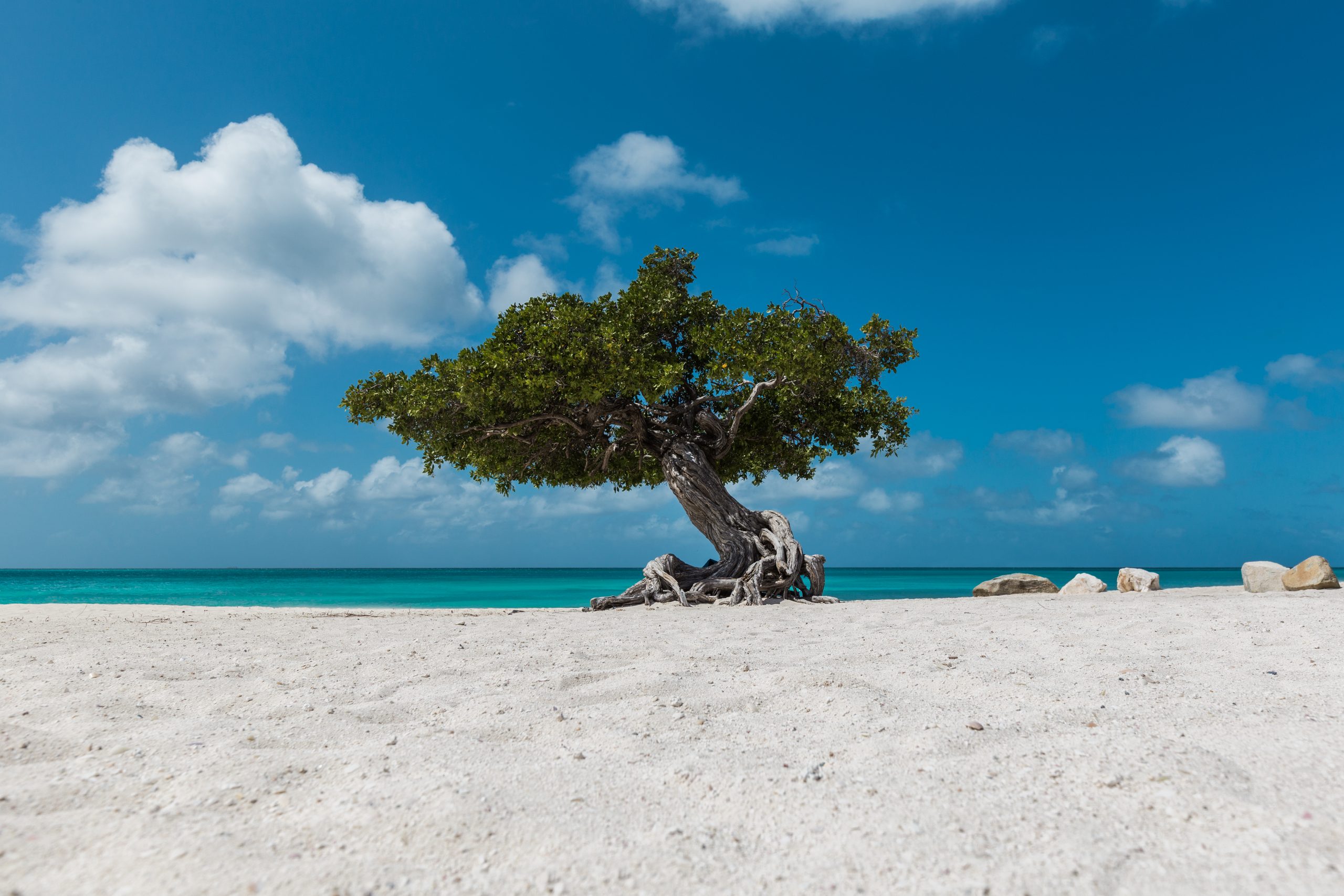
What Makes Aruba the Happy Island?
Explore Aruba, The Happy Island, and uncover what makes it so happy. From white sand beaches, to romance and beyond, find the happiness in Aruba.
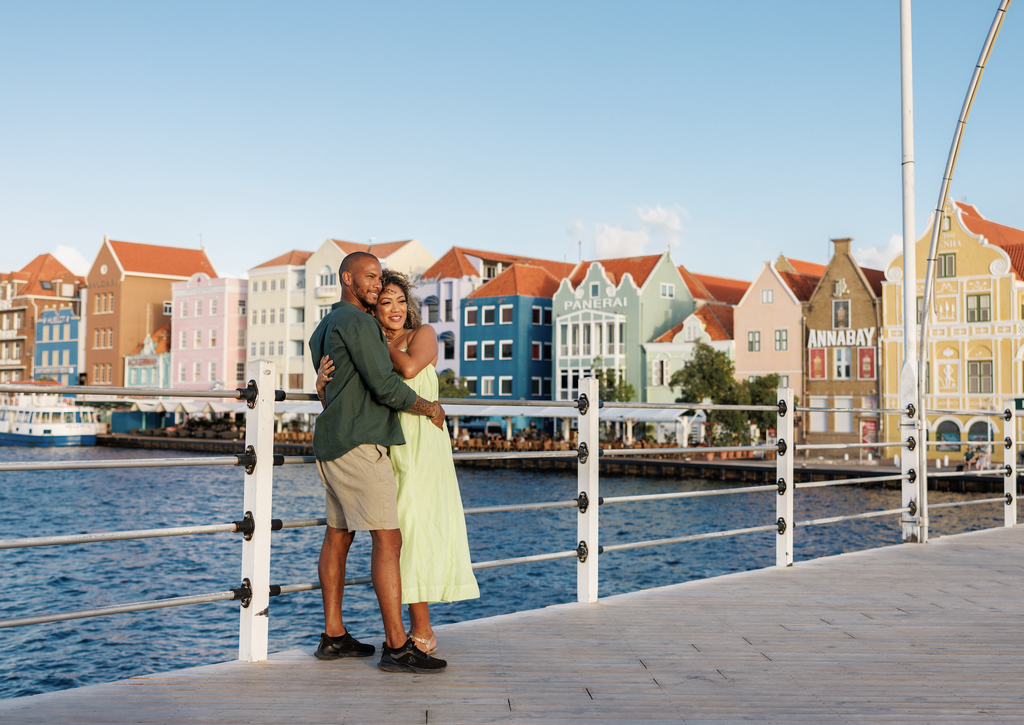
Where Can You Find Color in Curaçao?
From buildings and music, to food and its welcoming people, color is all around you in Curaçao. Read more about what the Dashi life is like on this colorfully sweet and welcoming island.

Founder & Chief Luxury Travel Advisor
Leave a Reply


Be the first to comment